From endangered antelope in rural Norfolk to pub lunches, beachside hotels and the realities of electric motoring, Neil Davey takes a gently meandering road trip through East Anglia — and finds much to admire, even if the charging infrastructure still needs work…
The sun is rising. There’s a hint of mist. From our lodge, we watch three antelopes idly graze through the haze. It’s a magical sight. I admire them a second longer, sighing contentedly at the miracle of nature…and then pop out for a pint of milk.
It’s not often Norfolk has the edge on a safari, but the availability of supermarkets might be one thing in their favour. For, while the view is worthy of the Serengeti, we’ve actually woken up in the Major’s Lodge at the remarkable Watatunga, near King’s Lynn.
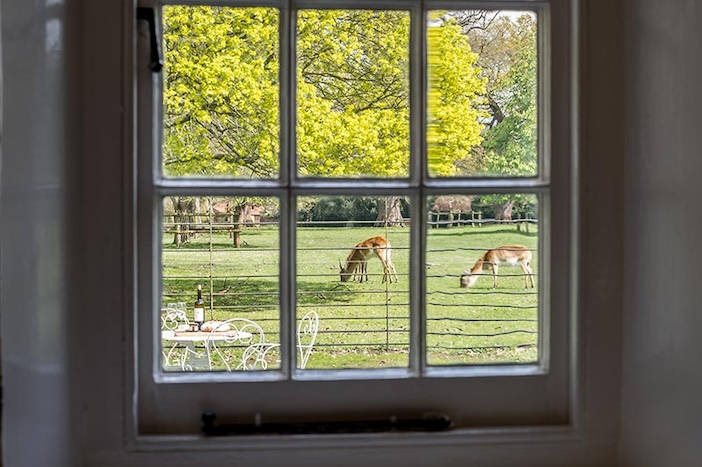
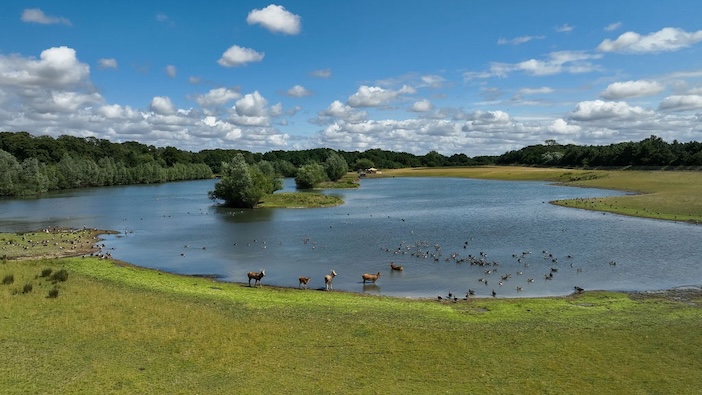
Created across 170 acres of woodland, grassland and lakes by husband-and-wife team Ed Pope and Anna Hamilton, Watatunga is a reserve dedicated to the conservation of endangered deer, antelope and birds. With no predators on site, animals — the most varied collection of deer and antelope in Europe, plus a couple of majestic water buffalo — are free to roam an environment that’s as close to their natural home as is possible in the UK. You might spot something interesting grazing, drinking at (or wallowing in) a lake, or hiding somewhere in the extensive woodland. Guests get to tour it all either with expert guidance or, if you’re staying in one of the very pleasing properties on site, via your own self-drive buggy.
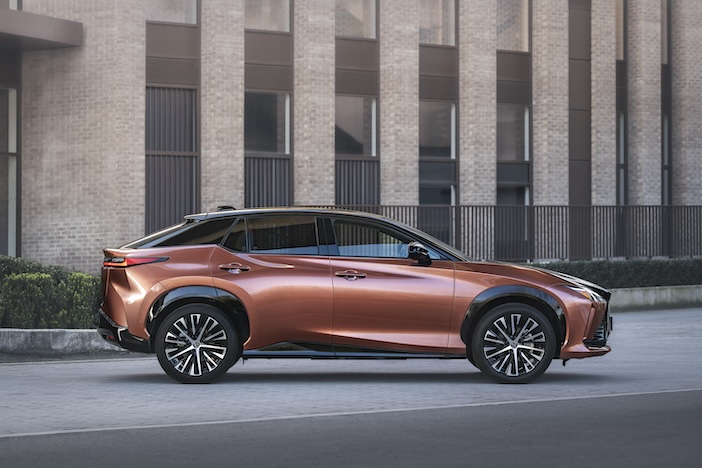
It’s not the only electric vehicle involved in our trip as it happens — he says, going full Partridge on that link. The main point of this wander around Norfolk and Suffolk is to put a Toyota RZ300e through its paces.
As I’ve explained elsewhere, me and car reviews are an unusual combination. My knowledge of “understeer” is whatever’s on the plate beneath my steak, and my understanding of “Torque” begins and ends with one of the Monkees. But I do know comfort, the joy of being able to pull away briskly when needed, and, after 38 years behind various wheels, I know when I’m in something good, fun and reliable.
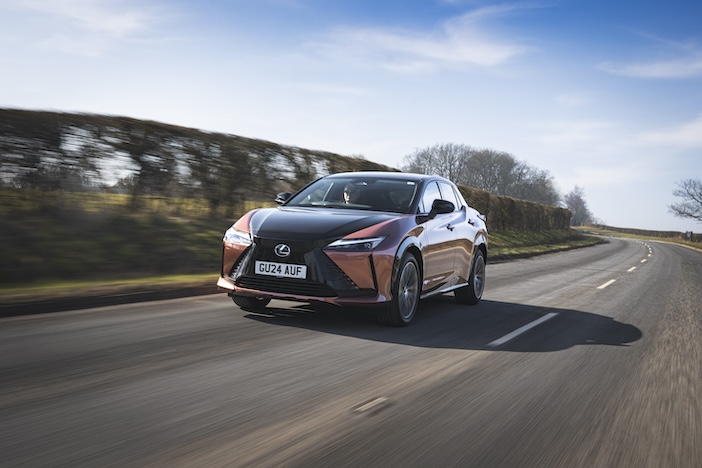
As cars go, it’s a cracker. This was my first experience of a full electric vehicle and I was endlessly impressed with the RZ300e’s power, comfort, speed and acceleration. The range — subject to the cold and how many bells and whistles you’ve got turned on — is, if not quite the full 347 miles promised, certainly around 300 miles. The quoted 0–62 in eight seconds feels like an understatement; it absolutely delivers when you need it. The ride, meanwhile, is as smooth as, well, a young antelope’s hide — again, apologies, channeling Partridge and stretching for a Watatunga-themed simile.
The problem is the charging. And by that, I don’t mean Toyota’s problem. I mean the obvious underinvestment in this country’s EV infrastructure by the last — and so far, this — apparently fossil-fuel-worshipping government.
When it works, it’s seamless. The Toyota will happily charge from around 10% to 80% in under 30 minutes — just about enough time to hit a supermarket or grab a coffee at motorway services, where the experience is, for the most part, what it should be. Elsewhere, however, it can be a complete lottery whether charger and cable will “speak” to one another. More often than not, it requires downloading yet another app, usually when it’s dark, raining and you’ve got a terrible data connection. Pre-authorisations, minimum balances and delayed refunds then follow, with no guarantee the damn thing will even charge your car. At one point my card showed around £300 of ringfenced funds, which is obviously far from ideal. Grr. Several months on, there’s still one app that charged a tenner and hasn’t refunded it. Double grr.
Still, that’s a bigger fix. And if you’re spending £53k on a vehicle like this, you’ll probably install a home charger and avoid most of the frustration. From Toyota’s perspective — and that of Watatunga and the other places we visited — the trip was otherwise stress-free.
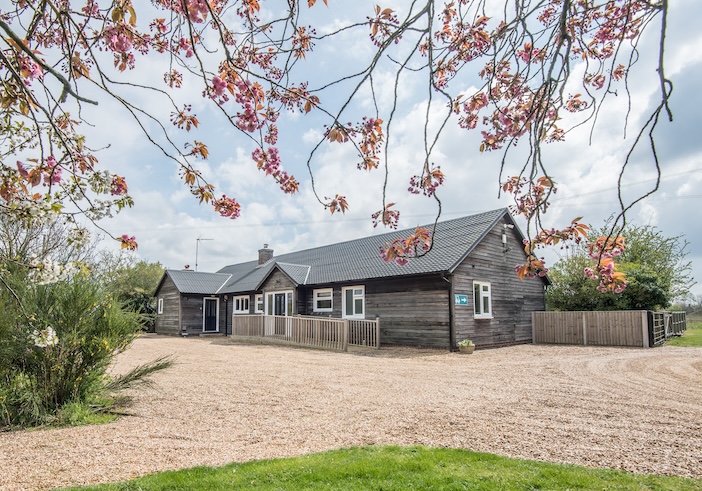
I cannot speak highly enough of Watatunga. It was my second visit and I simply adore what they’re doing. If you get a chance to visit, please do. If you’re able to stay, please do. The whole venture is incredibly thoughtful and the accommodation is genuinely excellent.
Take Major’s Lodge. It sleeps eight comfortably, with loads of space, a nicely fitted kitchen (plus a welcome basket of basics), TV and good wifi, and plenty of quiet corners if you need a break from family members — or, say, a husband moaning about the EV infrastructure. There’s a terrace for sunny days, full wheelchair accessibility, an adapted buggy, and the Lodge’s own private bird hide overlooking the reserve.
Watatunga — and King’s Lynn more broadly — also makes a fine base from which to explore Norfolk, from its history to its beautiful coastline. It’s dotted, too, with very good places to eat, including The Brisley Bell.
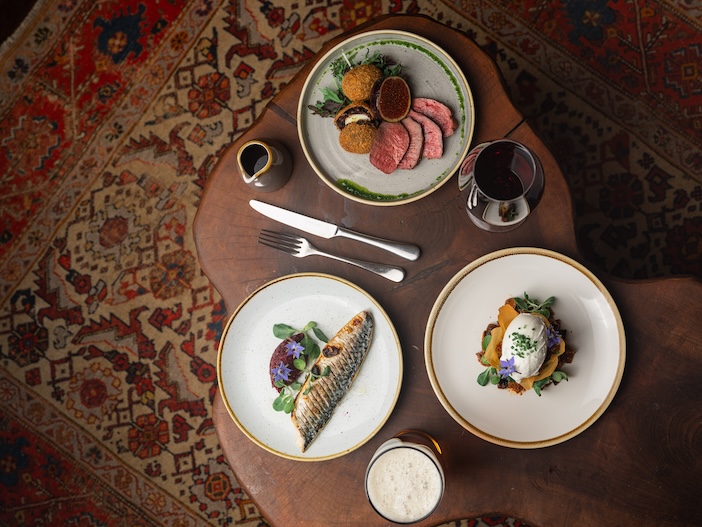
An old coaching inn dating back to 1706, it had fallen into disrepair before owners Marcus Seaman and Amelia Nicholson bought it in 2015 and spent two years rebuilding it with great sensitivity and ambition. The results speak for themselves. Since reopening, it’s appeared on the Estrella Damm Gastro Pubs list and picked up plaudits from The Sunday Times and The Telegraph.
We didn’t stay, though Amelia kindly showed us the beautiful rooms (it’s firmly on the list for a future weekend), but we did eat — and quickly discovered why the dining room was packed on an out-of-season weekday lunchtime. The bar team are friendly and efficient, the beer is well kept, and the kitchen — led by chef and partner Hervé Stouvenel — turns out very good, sensibly priced elevated pub food that celebrates local suppliers. There aren’t many days that couldn’t be improved by their broccoli and stilton soup or crackling-encrusted slow-roasted belly pork.
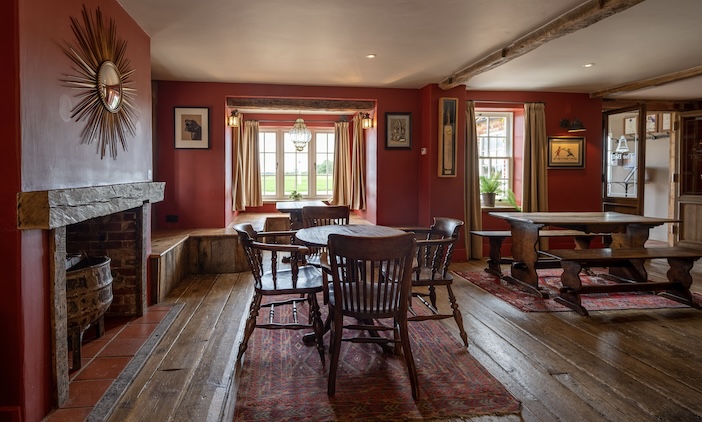
The Brisley Bell, Norfolk.
From there, it was a pleasing drive to Norwich — lovely cathedral, excellent stroll around The Plantation Garden — before detouring to the coast and meandering into Suffolk, starting at Aldeburgh.
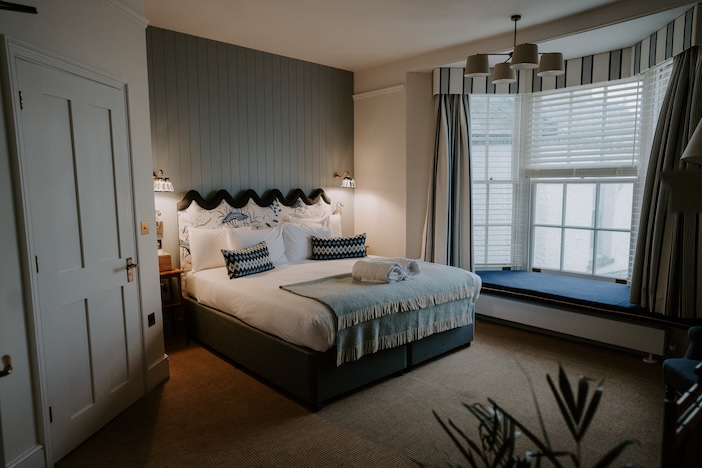
And where better to begin than The Suffolk, a fine beachside hotel with a Michelin Guide–listed restaurant? Aldeburgh itself is a delight, dotted with art shops, a great butcher, superb bakeries and, happily, a couple of places selling warm hats, as we’d badly underestimated the weather, which was several degrees below “bracing”.
The food at The Suffolk is terrific. While the rooms lack certain mod cons — no TV — the bed is comfortable, the shower mighty and the view dramatic. And just around the corner on the landing is a self-service fridge stocked with local beers and Baron Bigod, Suffolk’s dazzling interpretation of Brie de Meaux, which is far preferable to another Gogglebox repeat.
Suffolk is a wonderful county to explore — and a full(ish) charge of the RZ will get you anywhere you need to go. That list should include Pinch, where Alice Norman has created a little gem of a café on the regenerative and organic Maple Farm in Kelsale, near Saxmundham. Depending on the time of day, expect bacon sandwiches, pastries, celebrated crullers and Roman-style pizza. There’s also an EV charging point (which works) and a great honesty-based farm shop.
Also scoring highly for comfort, hospitality, location and charging efficiency is Milsoms Kesgrave Hall, a solid four-star just outside Ipswich. It has a fine all-day brasserie, a very good spa, and warm, comfortable rooms designed by someone who clearly understands what guests actually need — and has a sense of humour and flair for dramatic design. Expect decadent touches such as fur throws, in-room claw-foot bathtubs, huge sofas and the occasional splash of animal print. It’s a whole lot of fun.
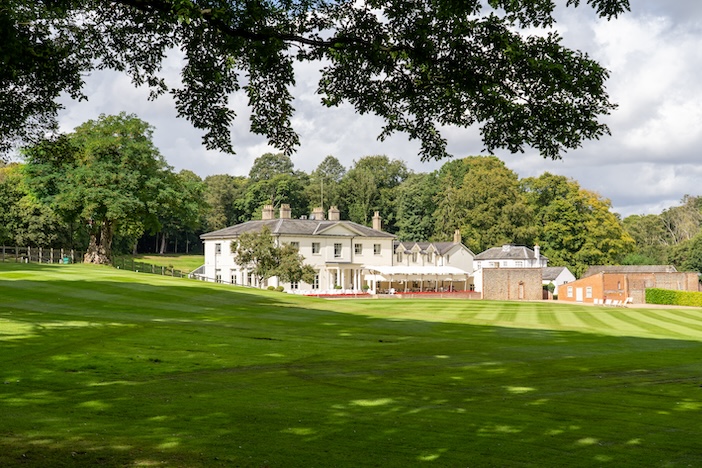
The bar is excellent, and the brasserie — like The Brisley Bell — was packed midweek and off-season. Think well-executed crowd-pleasers made from good ingredients (much of it local, including the mortadella) with playful flourishes. Soup arrives with rarebit fingers, there’s a pleasingly acidic beer vinegar gel cutting through the richness of Dingley Dell pork ribeye, and whoever came up with sourdough and Bovril butter should probably be put in charge of the country’s EV infrastructure, because they’re clearly a genius.
So, in summary: the Toyota RZ300e is a great, fun, comfortable vehicle. Norfolk and Suffolk are lovely. Watatunga will always have my heart, but everywhere else we stayed was excellent too. And the food? Norfolk, Suffolk — chapeau to your chefs and local larders.
But dear lord, people in power: if you want us to shift to EVs — and there are many reasons we should — can you please do something to make it viable?
For more information on the Lexus RZ series, take a look at their website. The RZ range starts from £48,365 (a recent reduction of up to 14 per cent across the RZ 350e and RZ 500e range).
For more information about Watatunga, including details of acccommodation, please visit www.watatunga.co.uk.