Saudi Arabia is emerging from the shadows as one of the world’s most intriguing destinations. In this weekend’s travel feature, Jane Wilson journeys through the Kingdom to challenge old assumptions and discover a land rich in culture, hospitality and dramatic landscapes…
A faraway land, private and gilded, with traditions glimpsed only from a distance. For years Saudi Arabia felt like a place wrapped in myth, the sort of setting that lived more in films and storybooks than in the real world. That image is changing. The country is stepping into the light, presenting itself as a destination for travellers with a taste for the unexpected; those adventurous, curious, hungry to experience what lies beyond the familiar.
I travelled there to explore its deep cultural roots and to test a few long-held assumptions. The first, the notion of inaccessibility. Saudi Arabia is open to visitors, women included, and the welcome is warm. Everywhere I went, I was met with the customary egg cup of local coffee and a plate of dates. The coffee is strong, unmistakably an acquired taste. Saudi women still dress conservatively, typically in an abaya with a coordinated head covering, though neither is required for visitors, except in mosques. Respectful attire remains expected, namely loose pieces that cover shoulders and knees. In the shops, rows of abayas range from classic black to coloured designs embroidered and tailored with touches of Western influences. I lingered over one made in Japanese silk that would have made a dramatic evening coat.
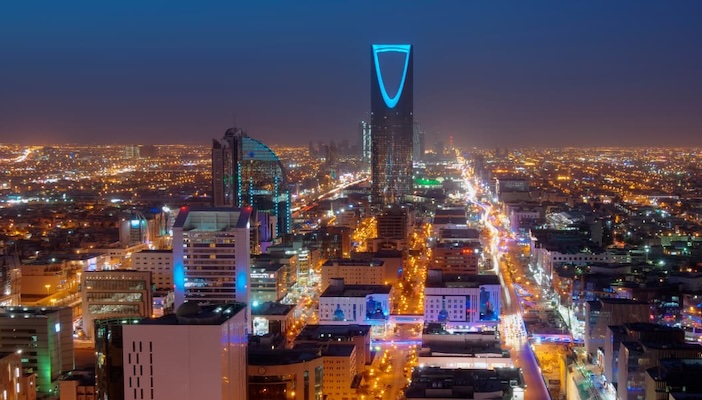
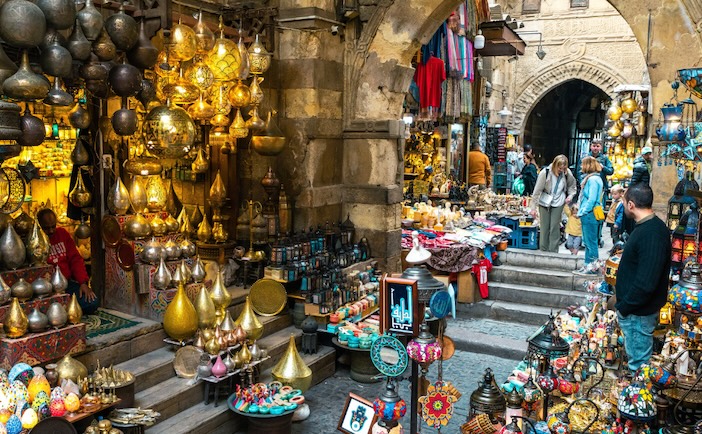
Riyadh, the capital, mixes tradition with futuristic ambition. This is immediately evident in the architecture. Kingdom Centre Tower punctures the skyline with a sky-bridge viewing deck, while at ground level the Masmak Fortress rises like a sandcastle. This mud-brick stronghold has witnessed defining chapters of the nation’s unification and today houses a museum. Souk Al-Zal, the city’s oldest marketplace, is a sensory hub of perfume stalls, rugs and aromatic oud.
Riyadh itself feels hip and energetic, dotted with art, high-gloss malls and a cosmopolitan restaurant scene. Navigating the city proved unexpectedly straightforward thanks to the new metro system, which includes female-only and accessible carriages. Taxis are plentiful, and women now drive. My flight into Riyadh was piloted by women, proof of another mis-perception of females’ place in society.
Another indication the country is leaning outward is in the events it’s hosting; Riyadh’s cultural calendar is stepping up to the podium. Riyadh hosts everything from the Esports World Cup and the Red Sea International Film Festival to Riyadh Fashion Weekend. During my visit, I attended the Women’s Tennis Association Finals, watching the winner walk away with a prize of $15.25 million.
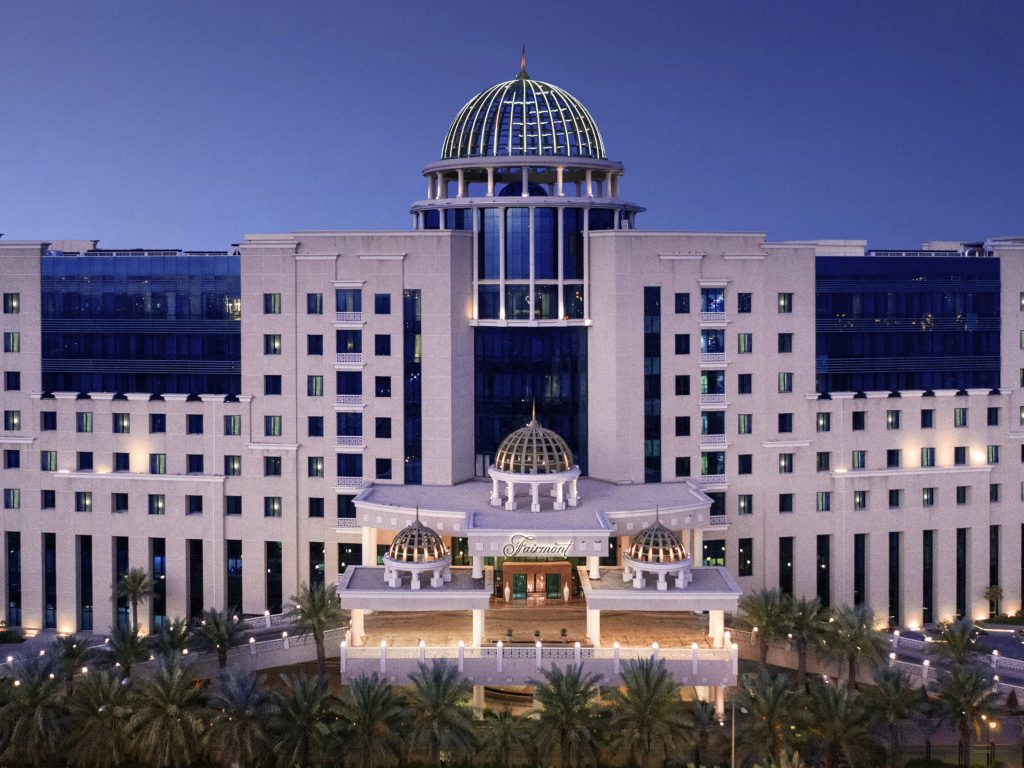
International brands are getting in on the action, too; I stayed at The Fairmont, a sleek contemporary hotel topped with glowing domes. Rooms are framed by floor-to-ceiling windows and thoughtful comforts, and the atmosphere is quietly restorative, largely thanks to the spa and indoor pool. As for the breakfast buffet, a blend of health-minded dishes and artisan temptations, it could easily develop a fan base of its own.
VIA Riyadh, an ornate open-air shopping district, provided a suitably glamorous dining stop. At Gymkhana, the Michelin-starred restaurant inspired by India’s historic club culture, dinner was creative and memorable. Across the city, options range from traditional carpets-on-the-floor dining to high-end contemporary venues. At Aseeb, which is rooted in Najdi cuisine, dishes include lamb grilled on palm leaves, and hashi, or camel, paired with honey and tahini. Alcohol is prohibited throughout the Kingdom but mocktails are inventive and fresh juices excellent. The lemon-mint is the standout – although it’s advisable to ask to tone down the syrup.
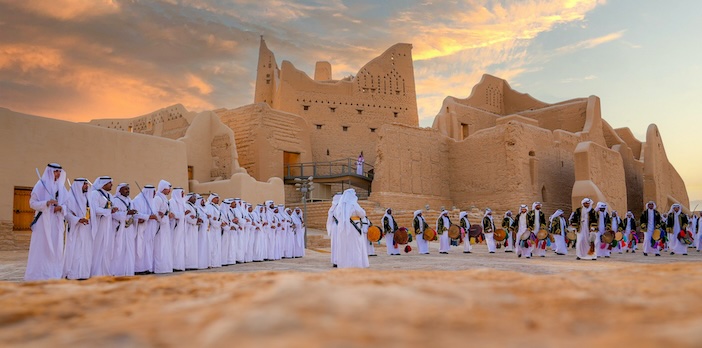
Not all of Saudi culture is based in Riyadh, however. Just fifteen minutes northwest lies Diriyah, the historic birthplace of the Saudi state and home to the UNESCO World Heritage Site of At-Turaif. By night, a laser show animates the ancient walls with scenes from its past. Nearby, Bujairi Terrace offers a curated line-up of contemporary restaurants. I dined at its first fine-dining venue, where the food was superb and the views collated the country’s past and present.
From Riyadh I flew to AlUla, a ninety-minute flight that feels like entering another era. The region sits on the ancient Incense Road and once sheltered traders, pilgrims and nomadic communities. At sunset, Elephant Rock becomes the gathering point. Lanterns glow, families settle into sunken seating and food stalls serve dishes that suit the moment. It’s atmospheric. No surprise that the annual Wellness festival is held here each October.
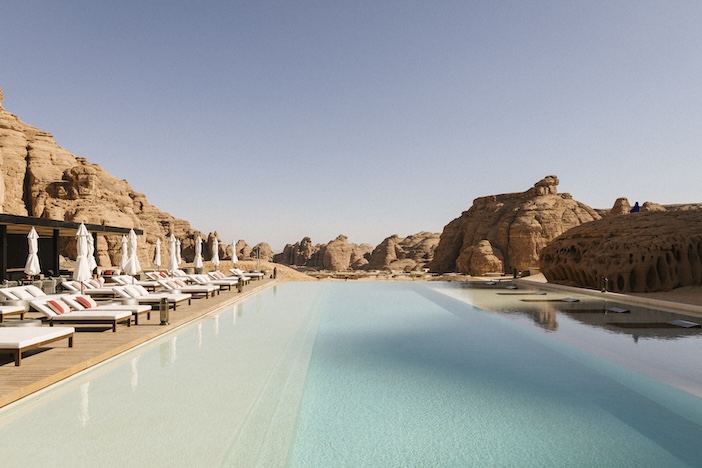
Driving into the Ashar Valley, the landscape grows more dramatic. Our Habitas, a resort built with sustainability at its core, blends into the canyon walls. Eco-villas are constructed with ethically sourced materials while vintage Airstream caravans offer a quirky alternative, complete with food trucks. Nights are devoted to stargazing. With almost no light pollution the sky feels close enough to touch. Wrapped in blankets, listening to a guide describe the constellations above that once guided Bedouin travellers, the silence was overwhelming.
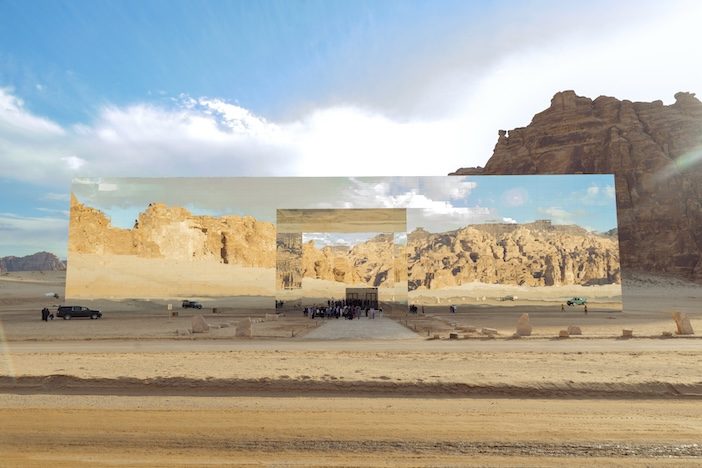
Al Ula landscape reflected in the wall of the Maraya Concert Hall, the largest mirrored building in the world
Activities range from trekking and coffee workshops to art walks and a cinema under the stars. For a more traditional stay, Dar Tantora The House Hotel occupies restored mud-brick dwellings lit by lanterns rather than electricity. And for glamour, Maraya Social crowns the world’s largest mirrored building, serving Mediterranean and Arabian dishes alongside inventive seasonal mocktails from London chef Jason Atherton.
At dawn, drifting above AlUla in a hot-air balloon with the desert stretching out like a faded carpet, the monumental carved tombs of Hegra emerged below like matchboxes. Once on the ground, visitors explore these 110 tombs by vintage Land Rover. Hegra, Saudi Arabia’s first UNESCO World Heritage Site, is an archaeological wonder, both monumental and humbling.
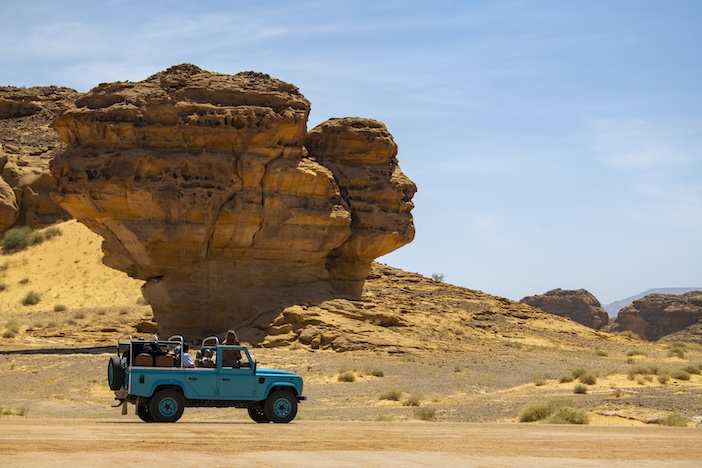
The iconic Face Rock in Hegra
Open-top 4×4 tours venture into the nature reserve, where rewilding efforts are underway and sightings of Arabian leopards, oryx, sand gazelles and red-necked ostriches are possible. In AlUla’s old town, alleyways lined with mud-brick houses convey a strong sense of history, while evenings shift to the modern quarter where restaurants and bars spill into the streets beside the AlJadidah Arts District.
Saudi Arabia is no longer an enigma on the horizon. Its image, like the dunes, is reshaping itself. The Kingdom is open, its landscapes unveiled and its stories etched into stone. What has emerged is a destination grounded in deep heritage yet confident in a modern identity. It is, ultimately, ready for discovery.
Jane was hosted by Saudi Tourism Board. She stayed at Habitas AlUla and Fairmont Riyadh. For more information on Saudi and to help plan your trip, head to VisitSaudi.com.