Straddling the raucous world of the rodeo and the serene glide of the River Walk, Jane Wilson discovers a Texas city that wears its contradictions with a sun-baked pride…
Fast-paced and skill-obsessed, an adrenaline-filled crowd congregates on the east of the city. It’s loud, teeming with life and excitement. Vivid sequinned outfits punctuate the scene; food stalls serve giant turkey legs like medieval props, and coffees are labelled lasso lattes or saddle mochas. Meanwhile, in the centre, river boats glide visitors along the channel of water tracing past restaurants that spill onto terraces. Modern culture whispers in galleries, fine dining tables are served prickly pear margaritas and tableside guacamole. This is San Antonio, Texas, where opposites attract.
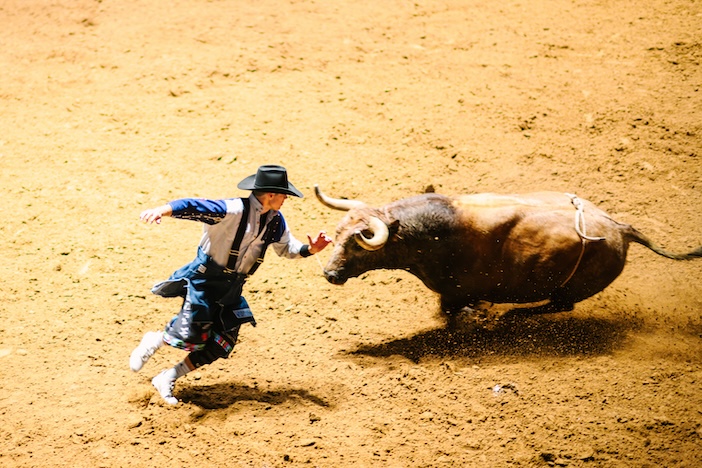
The annual rodeo is a spectacle in its purest form. Centre stage of the arena, it is man against beast. The bull, nostrils flared like twin exhaust pipes fuelled by pent-up anger, muscles flexed and hind legs at 45 degrees, fights with all its might. In the saddle, the rider clutches the reins, knuckles white, a taut expression betraying his effort to stay in place for the longest of eight seconds. The scene — a play-off between two rivals, heroic in the spirit of the West — is showered in a mist of grit that oddly frames a romantic silhouette. But, alas, the hat falls first, and then the rider tumbles, leaving the bull free to parade its victory. The crowd roars: part awe, part concern, but respect and excitement mingle in equal measure.
The San Antonio Stock Show & Rodeo, staged on roughly 2,100 tons of dirt and run by some 7,000 volunteers over 18 days, is more than a competition. It is a full-throttle celebration of Western identity, blending professional events with concerts, livestock shows and the chance to witness centuries-old skills in motion. Even for a visitor more intrigued by city life than rodeo thrills, the pageantry is irresistible.
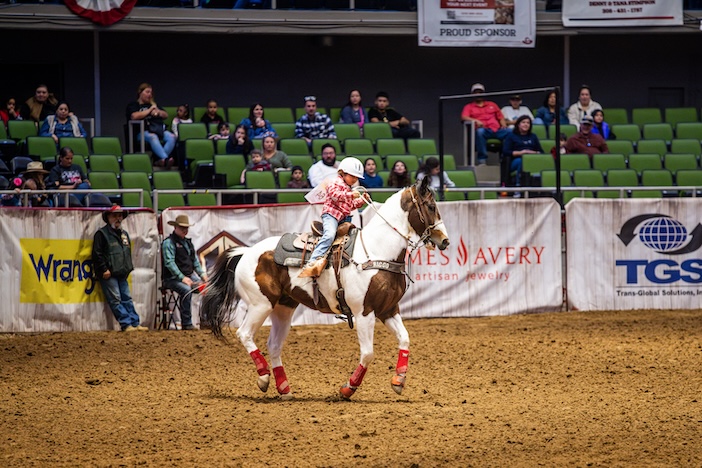
Inside the arena, centuries of tradition unfold. Steer wrestling, saddle bronc riding, precision roping and the blur of barrel racing demand absolute coordination between rider and animal. But the loudest cheers greet Mutton Bustin’, in which children aged four to seven attempt to ride sheep for six seconds, their tiny boots flapping as they cling on with heroic determination. Another highlight celebrates Mexican heritage: charros in embroidered suits and women performing choreographed routines side-saddle in sweeping dresses, preserving charrería — Mexico’s national sport and precursor to the American rodeo.
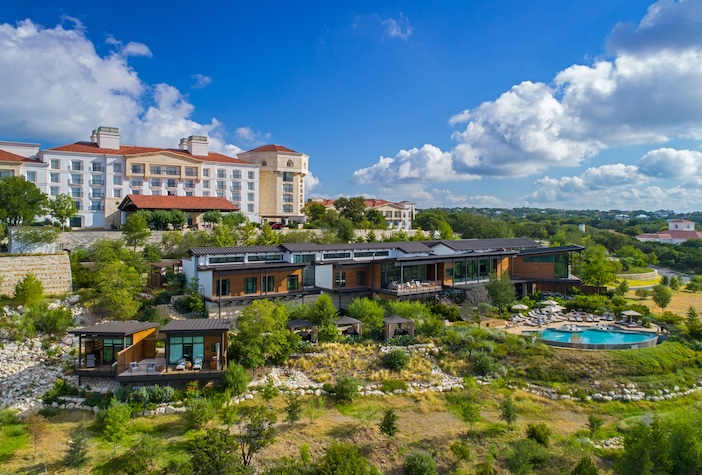
Yet the city outside the arena moves at a gentler rhythm. Ten minutes from the La Cantera Resort & Spa lies Spring Creek Stables, where retired American Quarter Horses trace dusty pathways through Texas Hill Country at a thoughtful pace. Lavender lemonade, truffle fries and doorstop-sized turkey sandwiches await afterwards, followed by the resort’s Saddle Up & Spa treatment, where singing bowls and lemongrass massages soothe muscles unused to hours in a saddle. Even fashion reflects the duality: at La Cantera’s Wild Pony Hat Bar, guests can personalise beaver-wool cowboy hats with velvet bands, leather straps, delicate chains and even quills — a nod to both indigenous and Western traditions.
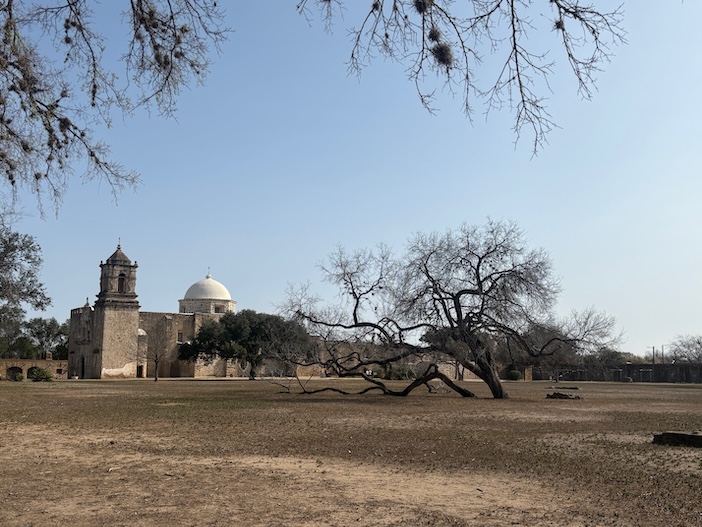
Then there are the missions, a legacy preserved over generations and protected under UNESCO designation. Here, traditions nurtured by indigenous people have been maintained and refined, forming the backbone of a city that wears its history lightly but proudly. Built in the 1700s with indigenous labour, San Antonio’s Spanish missions stretch along the river that once formed the northern frontier of New Spain.
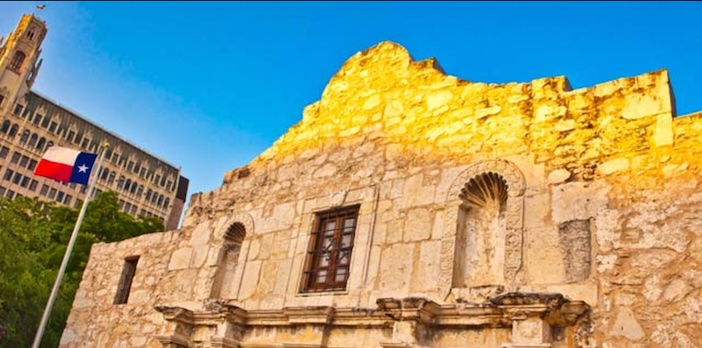
Mission San José, the largest and most complete, offers a glimpse of life in a tightly knit settlement where church, housing and agriculture intertwined. Downtown, the Alamo — glamorised by Hollywood and chronicled by Phil Collins — brings history vividly to life through artefacts, letters, weapons and personal belongings.
Modern San Antonio layers new energy over this heritage. The Pearl District, once a brewery, buzzes with restaurants, boutiques, galleries and the handsome Hotel Emma. Tex-Mex classics sit alongside refined tasting menus built from local ingredients. Also downtown, the urban winery ReRooted embodies sustainable practice, serving wines from Fredericksburg vineyards and blending regional authenticity with modern sensibility. Along the River Walk, narrated tours give depth to the architecture, showcase public art and provide an audience for street performers — a serene, contemplative pace in sharp contrast to the arena’s chaos.
San Antonio thrives on these contrasts. Families parade livestock at the rodeo while city dwellers sip cocktails. History and modernity, spectacle and contemplation, tradition and creativity coexist effortlessly. Walk from Mission San José in the morning to brunch at Dean’s in the Kimpton Santo, wander around the Briscoe Western Art Museum to admire the rodeo rendered in art form, then watch a charro performing intricate manoeuvres in the evening.
It is this layering that defines San Antonio. The missions ground the city in centuries of human endeavour; the rodeo bursts with energy, noise and skill. The city is neither museum nor theme park — it is a living, breathing place where the past is present, the calm is punctuated by spectacle, and contradictions are not just tolerated but celebrated.
For more information about San Antonio, and to start planning your trip, please visit the official tourism website at visitsanantonio.com.
For more information about the San Antonio Stock Show & Rodeo, please visit sarodeo.com.