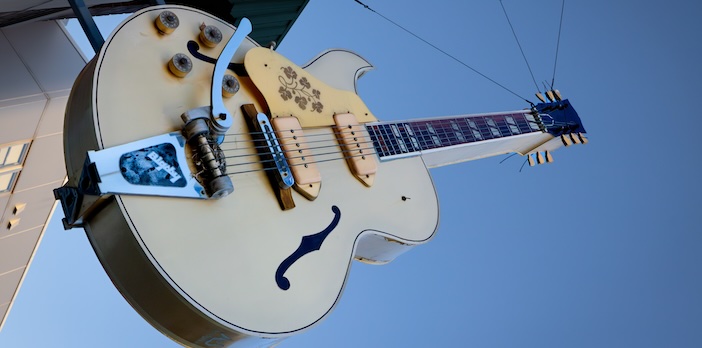
From Graceland’s shrine to Sun Studio’s live mic and a Sunday sermon with Al Green, Jane Wilson travels to Memphis, Tennessee — a city where blues, soul and rock ’n’ roll are not merely remembered, but still very much alive…
A guitar strum drifts from an open doorway, gospel harmonies fill the churches and bars spill over with spellbound audiences. Music has the power to trigger memories and shift emotions within seconds. In Memphis, those effects are amplified — never muffled under headphones. A rhythm beats along Beale Street, lending energy to the crowds drifting between live music venues and barbecue joints. Old recording studios are plastered with memorabilia; walls bloom with murals.
Memphis’s music reflects a heritage forged in sweat, tears and survival. Its soundtracks run deep and soulful. Blues, gospel, soul and rock ’n’ roll collided here with electrifying force. The Great Migration brought Black communities through Memphis, converging around Beale Street, where clubs, restaurants and record stores became incubators of sound.
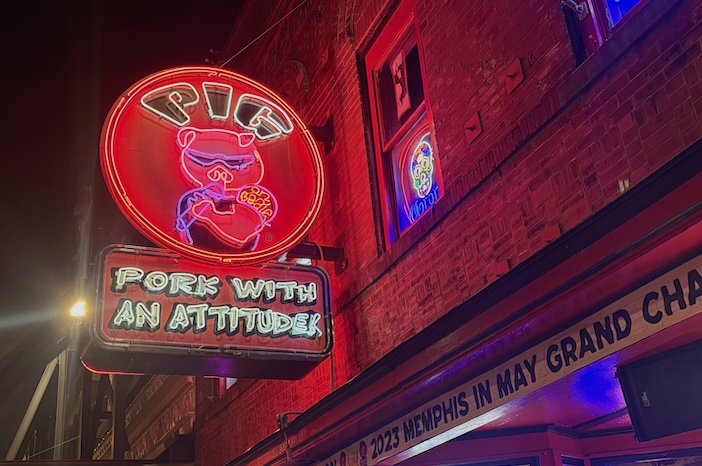
Think Memphis, think Elvis Presley — the king and legend who still reigns in spirit. Gift shops gleam with rhinestone T-shirts, studded belts and pink Cadillac fridge magnets. Jukeboxes play “Burning Love” and “Suspicious Minds”, while somewhere nearby somebody croons “Are You Lonesome Tonight?” at an open-mic bar.
I travelled to Memphis, Tennessee, to dig into the city’s musical roots, beginning at Graceland, Elvis Presley’s eccentric home and sprawling tourism empire. It’s smaller than people imagine, but large in spirit. Each room uncovers another layer of Elvis’s personality. The television room is decked in yellow and black, with mirrors, shag-pile carpet and three televisions ranged side by side. The Jungle Room — his den — reveals a restless imagination, while outside the pink Cadillac gleams alongside motorcycles and a custom jet.
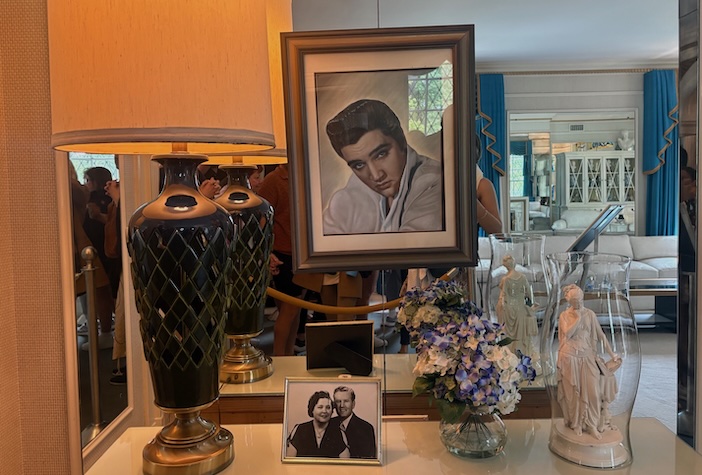
Then comes the Meditation Garden, where the mood shifts completely. Fans fall silent before the grave of the man who gave the world “Return to Sender” and “It’s Now or Never”. Elvis was shaped by Memphis: raised among gospel choirs and blues clubs, he absorbed the sounds around him before blending them into something entirely his own.
At Sun Studio in 1954, producer Sam Phillips recognised the talent in young singers hoping for a break. Through these doors passed B.B. King, Ike Turner and Johnny Cash. Among the more extraordinary visitors were The Prisonaires — a doo-wop group of prison inmates who recorded their hit “Just Walkin’ in the Rain” here in shackles; the record was released in 1953. Today, visitors pose beside the same microphone used by Elvis, while by night the studio returns to its original purpose: recording music.
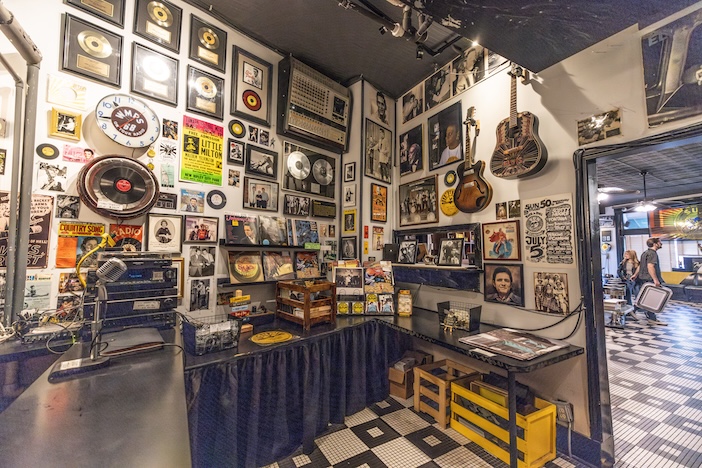
The Stax Museum of American Soul Music stands in Soulsville, where the city’s Black musical heritage transformed global culture. Former owner Al Bell once described Stax as a cultural and spiritual movement as much as a record label. During a period of fierce racial tension in America, Black and white musicians worked side by side, united by rhythm and instinct, creating a sound that carried Memphis around the world.
Inside, visitors move through galleries celebrating artists including Otis Redding and Rufus Thomas, while Isaac Hayes’s gold-plated Cadillac speaks volumes about his style and swagger. Music resonates through every room — from “Shaft” to “Sittin’ On The Dock of the Bay”.
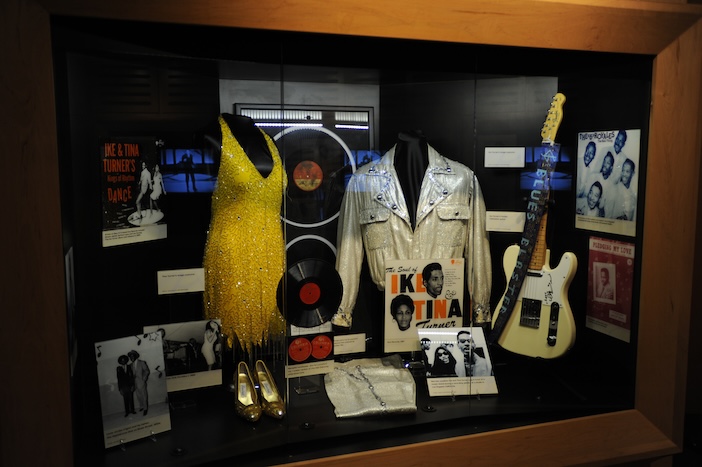
Ike and Tina Turner in Stax Museum (photo by Dan Ball)
Royal Studios occupies a neighbourhood building that looks more like a family home than a legendary recording space — its wallpaper signed by the likes of Robert Plant, Joss Stone and Beverley Knight. Lawrence “Boo” Mitchell, son of producer Willie Mitchell, continues the family legacy amid organised chaos, speaking with passion about the Memphis sound and how soul music was crafted through feeling rather than technical perfection.
Willie Mitchell helped shape the sound of Al Green, whose voice made classics of “Let’s Stay Together” and “Tired of Being Alone”. Green later stepped away from mainstream music to become a reverend at the Full Gospel Tabernacle Church in South Memphis, where visitors are welcome to join Sunday services — the soul legend preaching to skin-tingling gospel harmonies.
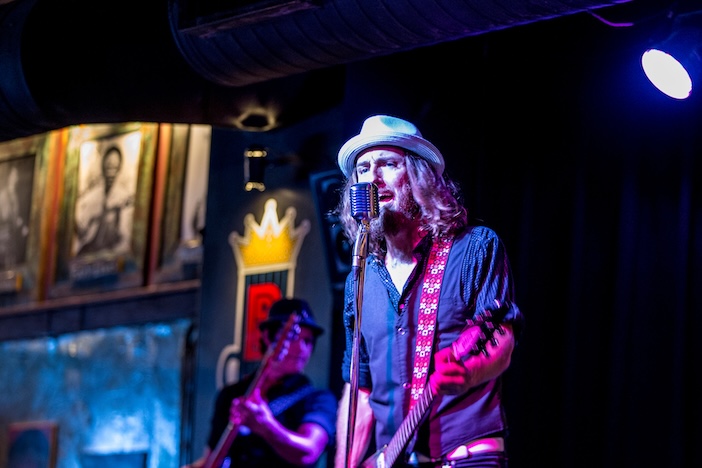
Live music at B.B. King’s Blues Club (photo by Craig Thompson)
Memphis still lives through music, especially along Beale Street, where neon signs flicker and pavements vibrate with bass from B.B. King’s Blues Club and Silky O’Sullivan’s. Yet the city continues finding new ways to listen. Inside Crosstown Concourse — once a vast Sears distribution centre — the Memphis Listening Lab invites visitors into curated listening sessions. Nearby, the Overton Park Shell, built in 1936, hosted Elvis Presley’s first paid concert in 1954 and later welcomed Johnny Cash and ZZ Top. Today it operates as a non-profit venue offering free community concerts, preserving Memphis’s tradition of accessible live music.
The city’s heartbeat extends beyond music into history itself. The National Civil Rights Museum at the Lorraine Motel — where Dr Martin Luther King Jr was assassinated — is a sobering, essential visit. Walking through its exhibits, it becomes clear how blues, soul and gospel emerged from struggle, hope and resilience.
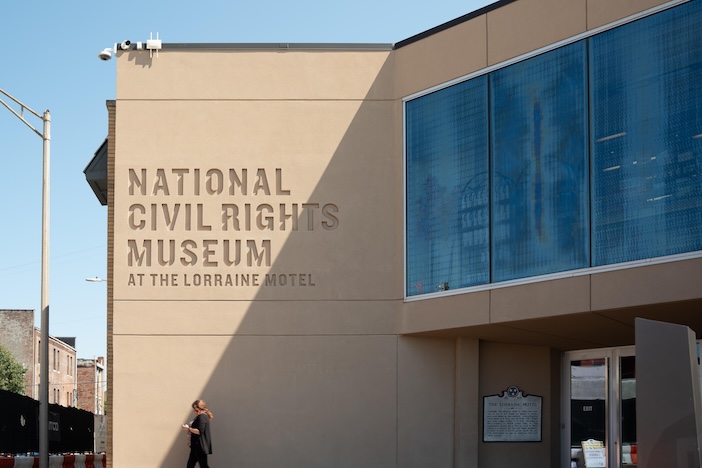
Photo by Julian Harper
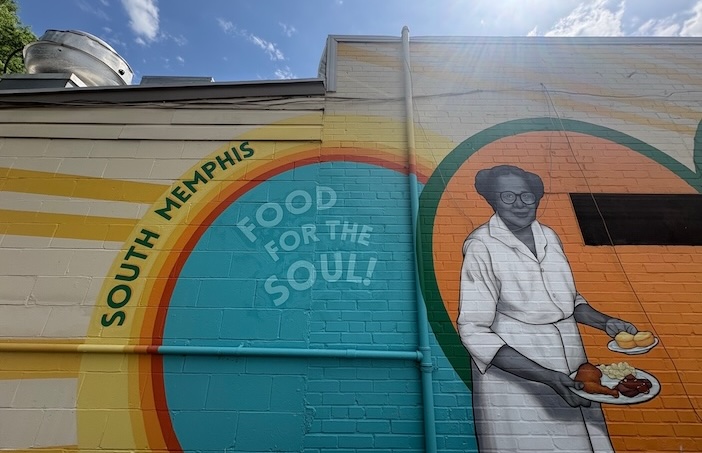
Today’s Memphis buzzes with independent shops, galleries, riverboats and chef-owned restaurants. Food takes centre stage, from soul food and Southern cooking to contemporary fine dining. Central BBQ remains a local institution for ribs and pulled-pork sandwiches. Sunrise Memphis draws queues around the block for its generous breakfasts. The Four Ways Grill serves catfish, yams and peach cobbler beneath murals celebrating neighbourhood history — Dr Martin Luther King Jr once ate here, at one of the few places where black and white diners sat together.
Elvis would slip through a side entrance of The Arcade Restaurant, Memphis’s oldest diner, to reach his favourite booth. For fine dining, Catherine & Mary’s serves elegant Tuscan- and Sicilian-inspired dishes; Felicia Suzanne’s offers creative Southern food, renowned for its interpretation of Fried Green Tomatoes; and Amelia Gene’s delivers refined contemporary cooking with polished cocktails.
Back in the recording studio, Boo Mitchell played “Uptown Funk” at full volume. The room came alive as Mitchell drifted into another world. This was where Bruno Mars recorded the Grammy-winning Record of the Year — and where Memphis once again proved its relevance to modern music. Sitting among tangled cables and vintage microphones, I understood: Memphis does not preserve music behind glass. It lives it. Music is not simply entertainment here — it is memory, identity and emotion, entwined into the very soul of the city.
Where to Stay:
The Guest House at Graceland delivers an Elvis immersion. Spacious guest rooms are wired directly into Elvis music channels and nightly screenings of his films take place in the theatre. Peanut butter and jelly sandwiches, one of Presley’s favourite snacks, are offered to guests each evening. It is convenient for Graceland with shuttle buses transporting excited fans making their pilgrim visit.
ARRIVE is a boutique hotel with an industrial chic feel and a touch of Soho House style, convenient for Beale Street and the National Civil Rights Museum. Spacious bedrooms, a café and lively bar attract Memphis’s local cool crowd.
For more information about Memphis, and to start planning your trip, please visit the official tourism website, memphistravel.com.
Photos by the author (unless otherwise credited)