Art Deco icon, Cuban heartland, bohemian village, wild wetland doorstep, Anna Selby discovers that Miami’s real character lies not on Ocean Drive, but in the neighbourhoods that surround it…
Fly into Miami and the postcard version arrives before you’ve even checked into your hotel: pastel facades, palm trees, that famous stretch of sand. But spend a few days moving between its neighbourhoods and a different, more layered city starts to emerge — one built from Cuban cafecito stops, Haitian marketplaces, warehouse galleries and quiet, tree-lined streets, each with a character entirely its own.
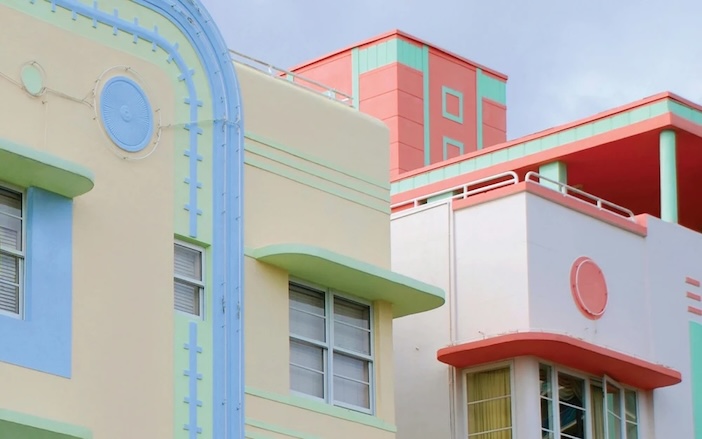
It’s the Art Deco that gets you first, though, and rightly so. Miami has inarguably some of the world’s best examples of the style. The city was rebuilt at the peak of Art Deco’s popularity after the 1926 hurricane, and there are more than 800 historic buildings still looking much the same as when they were first built.
As a style, Art Deco owed a lot to the new craze at the time for cruising, and there are curved corners, porthole windows and ship-like railings galore. White prevails (you really need your sunglasses in that Florida sunshine), softened by pastel pinks, blues and yellows, and after a ride down Ocean Drive you can feel you’ve stepped back in time and into the golden age of the Hollywood musical.
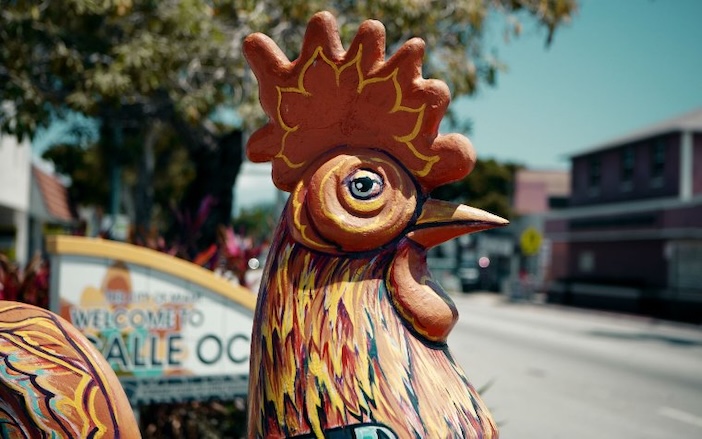
It seems, these days, though, there’s rather more to Miami than this historic period, unmissable as that may be. There are now newer neighbourhoods with a different character all their own. Take, for example, Little Havana. Centred around Calle Ocho on Southwest 8th Street, this is the heart of Cuban culture, full of colourful murals and cigar shops, rum bars and outdoor domino games.
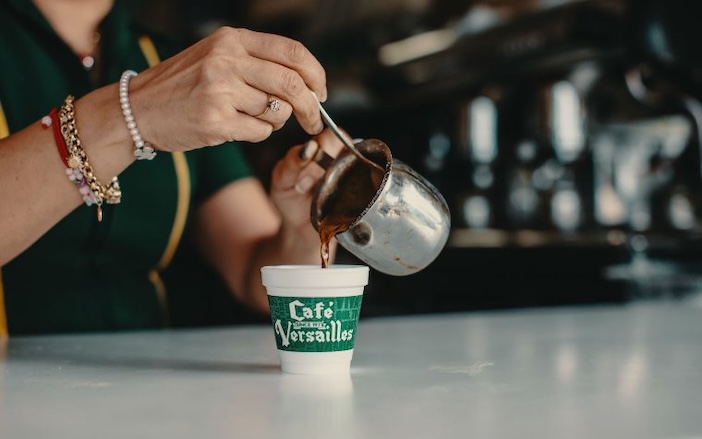
Restaurants like Versailles serve traditional Cuban cuisine, or you can pick up a guava and cheese pastry and a (very strong and sweet) cafecito as you go — I drank mine standing at a walk-up window, which seems to be the only correct way to do it. There are Latin dance classes at the Cubaocho Museum & Performing Arts Centre if you want to sharpen up your salsa technique before dancing the night away at Ball & Chain.
For a quieter time, Coconut Grove is Miami’s oldest neighbourhood, tree-lined and with a certain bohemian village charm. It has lots of chic shopping, the historic Barnacle State Park, some very fine dining (Ariete and Los Félix both have Michelin stars) and you get panoramic views with your cocktails at rooftop lounges like Bellini in the Miami Coconut Grove Hotel.
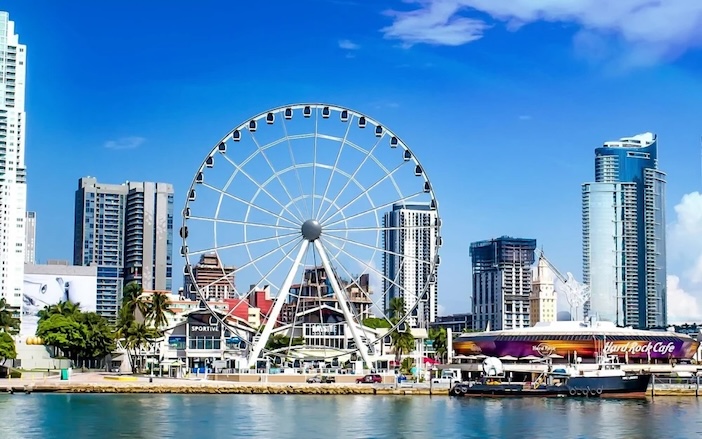
The Biscayne Bay waterfront is charm personified, and it’s a district, unlike the rest of this city, that is easily walkable — worth knowing, given Miami’s neighbourhoods otherwise tend to keep a car or a rideshare app close at hand.
There’s a Little Haiti, too, with a Caribbean Marketplace that recreates the Iron Market in Port-au-Prince, full of arts and crafts, food and live music. The area has a wealth of contemporary galleries (look out for the Laundromat Art Space, set in — you guessed it — an old laundry) and there are dance studios and music venues all over, including Sweat Records, the famous indie record shop. It’s a slower, more residential pace than Little Havana just a few miles south, and all the more rewarding an afternoon for it.
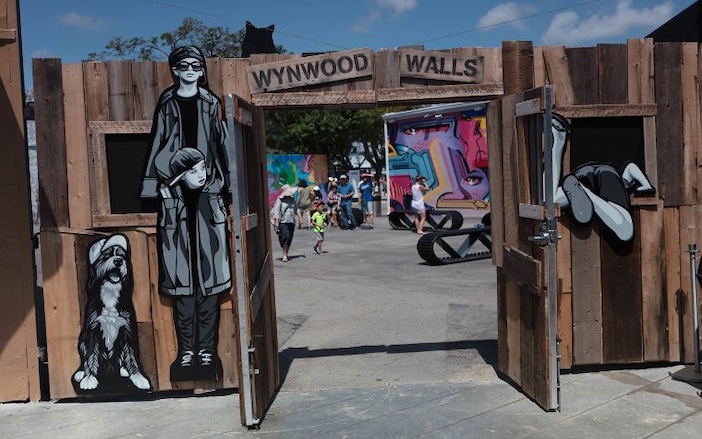
Wynwood’s old warehouses, by contrast, are now full of eclectic restaurants and bars, shops and galleries, craft breweries and street art everywhere — vibrant murals that were commissioned by Tony Goldman, the neighbourhood’s original developer. It’s the loudest, most self-consciously cool of Miami’s districts, and worth an evening as much as an afternoon, when the bars fill up and the murals are lit.
And then, of course, there’s the beach.
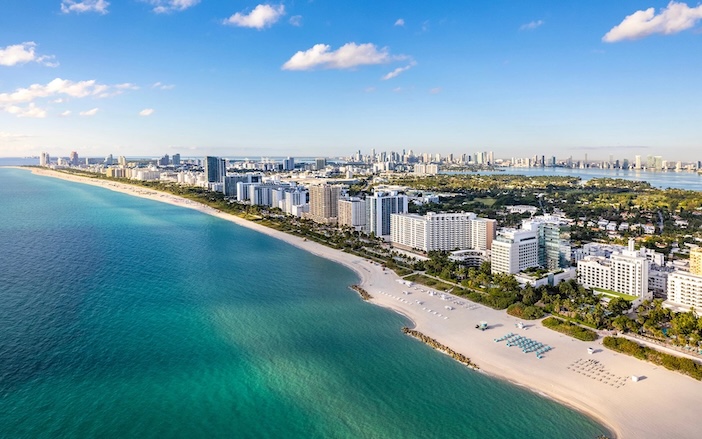
Some seven miles long, with soft white sand, this stretch of land that began as a mangrove swamp in the 19th century was transformed into one of the planet’s most iconic beaches. And this is really where you want to stay when you’re in Miami — a place to chill out and escape from the more hectic parts of the city. I stayed at The Palms Hotel & Spa, a historic Art Deco hotel with a great outdoor pool and tropical garden (complete with tiki bar) that leads straight out to that vast beach, where they have yoga and meditation sessions.
The Palms have real eco-credentials — they’re plastic-free wherever possible, there’s local food sourcing in their restaurants, and they run community beach clean-ups: if you fill one of their buckets with litter you get a free gelato (very popular with families)! Partners with local sustainability projects (coral restoration, manatee protection), they are also on the doorstep of the Everglades, the third largest national park in the southern states and one of the largest wetlands in the world. The Palms can arrange for guests to have tours and hikes there with local naturalists.
One of America’s coolest cities and a wild landscape filled with alligators? Miami’s a lesson in how to tick two very different vacation boxes — and, neighbourhood by neighbourhood, a reminder that the city’s real charm rarely sits still long enough for a postcard.
For more information, and to start planning your trip, please visit the official Miami tourism website at www.miamiandbeaches.com.
Anna Selby stayed at The Palms Hotel & Spa, Miami Beach.
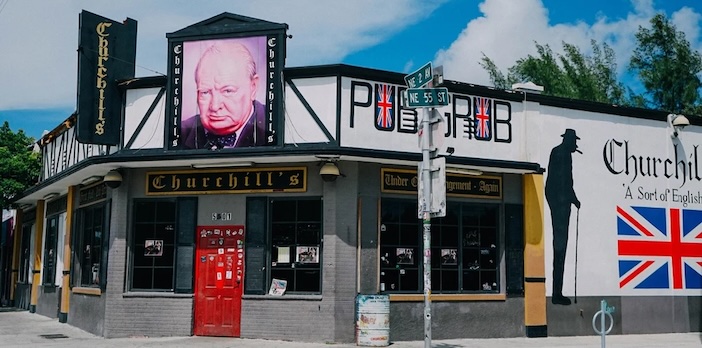
Header image: Churchill’s Pub, Little Haiti. Images courtesy of Miami & Beaches.