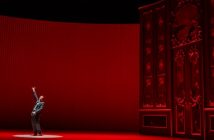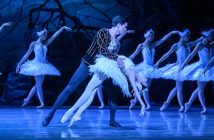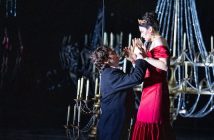
Glyndebourne opened its 2026 Festival on 21st May into what turned out to be the most extraordinary Bank Holiday weather in living memory. While the rest of England spent the long weekend in a state of pleasantly bewildered semi-undress — Kew Gardens hitting 34.8°C on Sunday, breaking the UK’s May temperature record by a full two degrees — the Sussex countryside was looking its most extravagantly, improbably beautiful. Twelve acres of gardens baked golden. Prosecco was chilled. Someone wore a very bold hat. The curtain went up on Tosca.
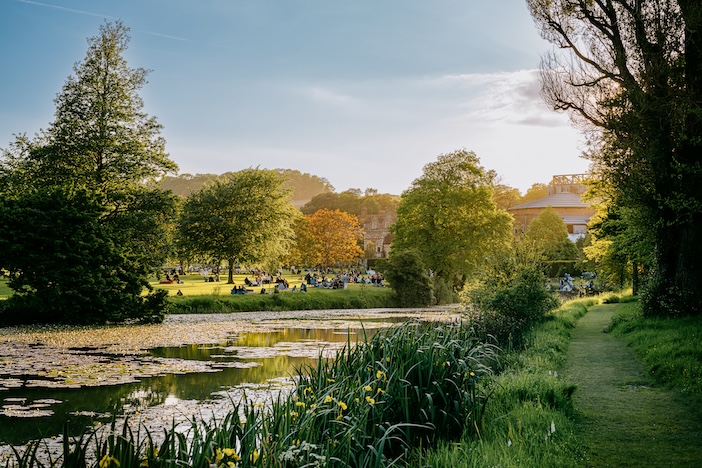
There are few rituals in the English cultural calendar as gloriously, unapologetically itself as a day at Glyndebourne. You descend from a train at Lewes in black tie — or sequins, or whatever the moment demands — board a coach through the lanes, and arrive at a country house opera house that, against all logic, has been doing exactly this since 1934. The gardens are twelve acres of verdant perfection. The interval is ninety minutes. The point is not merely the opera.
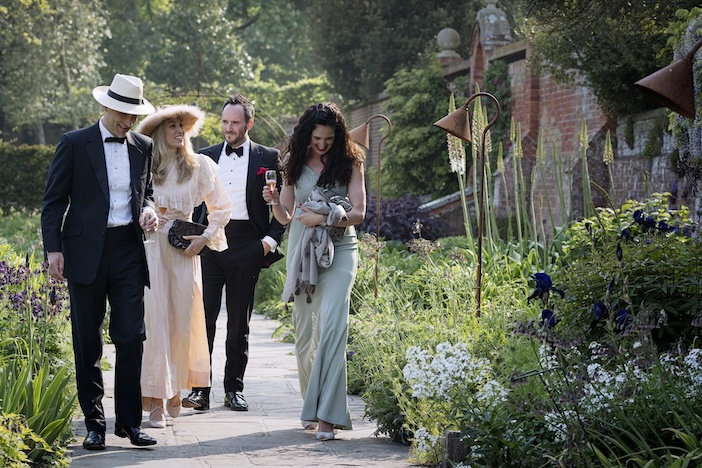
photo by James Bellorini
And yet — the opera. That is rather the point, too.
Now in its ninety-second year, Glyndebourne remains the gold standard of the British summer festival circuit: a privately-funded, stubbornly independent operation that receives no public subsidy and answers, refreshingly, to no one but its own artistic ambitions. The auditorium, rebuilt in 1994 to a capacity of 1,200, is intimate enough to feel personal, grand enough to host the London Philharmonic Orchestra, and acoustically among the finest in Europe. The combination of world-class production values and a setting in which you are actively encouraged to eat smoked salmon in a flower garden is, to put it simply, unmatched.
The 2026 Festival is already underway, running through to 30th August, and offers six productions spanning an extraordinary breadth of the repertoire — from the very dawn of opera to the mid-twentieth century — with three brand-new productions and three acclaimed revivals. If the unseasonable heat holds, a picnic interval in those gardens this summer may be the closest England gets to the Mediterranean without a passport.
The Headline Act: Tosca
If there is a single word that defines this season, it is Tosca. Puccini’s ferocious thriller — all political betrayal, murderous lust, and one of opera’s most devastating final scenes — arrives at Glyndebourne for the very first time in its ninety-two-year history. That this should still be possible in 2026 is either a fascinating quirk of programming or a testament to just how vast the operatic canon is; probably both.
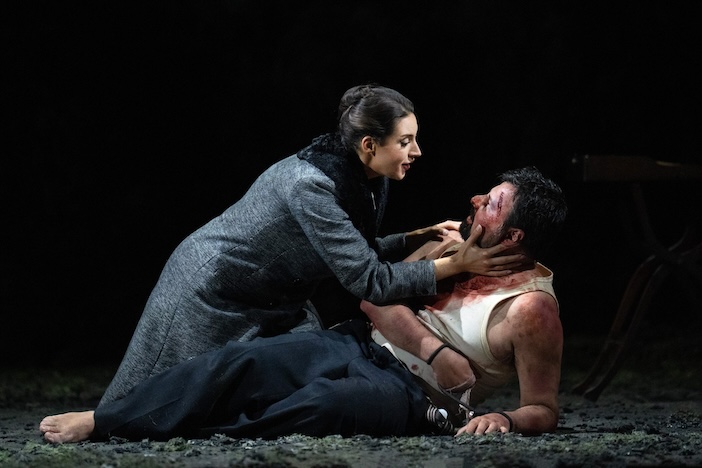
Caitlin Gotimer as Floria Tosca and Matteo Lippi as Mario Cavaradossi in Tosca (photo by Richard Hubert Smith)
Director Ted Huffman makes his Glyndebourne Festival debut with this production, which opens and closes the season (21 May – 22 June and 4 – 30 August), features two entirely separate principal casts, and marks the London Philharmonic Orchestra’s debut on the Glyndebourne stage. For opera veterans who have always wondered what Tosca sounds like in that room, this is the unmissable event of the summer. For newcomers, there is no more viscerally gripping introduction to the art form — Tosca moves like a thriller, sounds like heaven, and ends in spectacular, operatic catastrophe.
The Event: L’Orfeo
The season’s most conceptually thrilling production is almost certainly Monteverdi’s L’Orfeo, a work that has a reasonable claim to being the first great opera ever written — composed in 1607, which puts it in the category of things that are older than you realise and better than you might expect. More exciting still is the staging: this marks Glyndebourne’s very first production of the piece, directed by South African visual artist and Olivier Award-winner William Kentridge in his Glyndebourne debut.
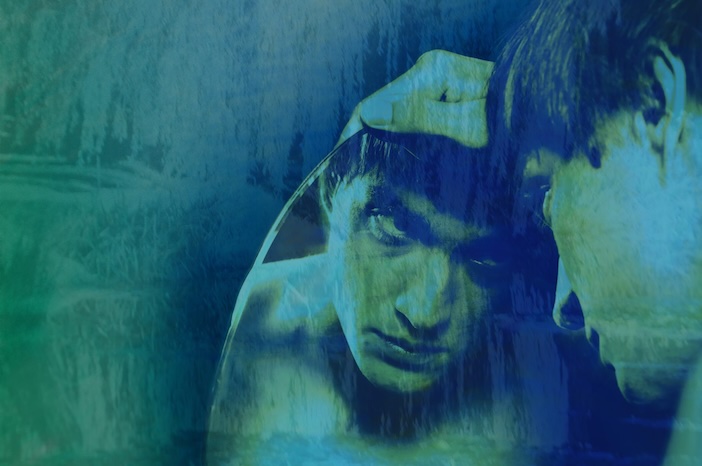
Kentridge’s visual world — dense with charcoal drawings, film projections, and a kind of animated, political poetry — is unlike anything else in contemporary theatre, and the combination of his aesthetic with Monteverdi’s extraordinary score (the myth of Orpheus descending into the underworld to reclaim his dead wife; yes, it’s a lot) represents genuine event status. On stage from 14 June to 25 July.
 The New Arrival: Ariadne auf Naxos
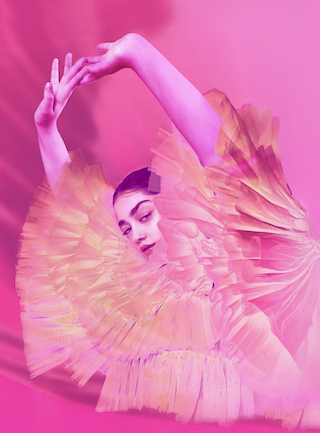
Richard Strauss’s Ariadne auf Naxos is one of opera’s great philosophical jokes — and also, unexpectedly, one of its most moving works. The conceit is a meta-theatrical delight: a serious opera and a comic entertainment are forced, by an eccentric patron’s whim, to be performed simultaneously. What follows is a meditation on the relationship between high art and popular entertainment, tragedy and comedy, that never quite resolves — and is all the more human for it.
The new production reunites Glyndebourne Music Director Robin Ticciati with French director and costume designer Laurent Pelly, whose acclaimed Poulenc Double Bill at the 2022 Festival is still spoken of warmly by those who were there. Running from 19 July to 29 August, it is the season’s final new production and one of its most anticipated.
The Great Revival: Billy Budd
Michael Grandage’s production of Britten’s Billy Budd has been away from Glyndebourne for over a decade, and its return (28 June – 30 July) is warmly welcome. Based on Herman Melville’s novella, set aboard a Royal Navy warship, and featuring an all-male cast, Billy Budd is one of Britten’s most ambitious and emotionally complex scores — and Grandage’s production is reportedly staged so that the set mirrors the shape of the Glyndebourne auditorium itself, folding the audience into the world of the ship. The sailors’ choruses are unforgettable. If you’ve never encountered Britten’s operatic work, this is an excellent place to start.
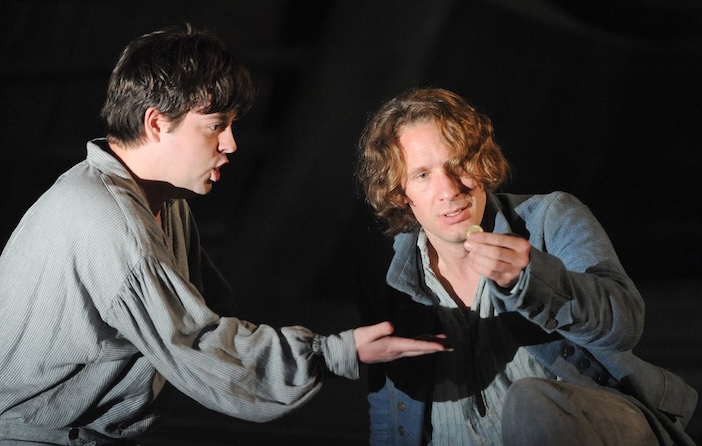
Billy Budd (photo by Alastair Muir)
The Perfect Summer Opera: Il Turco in Italia
For a lighter touch — and an opera that would not feel out of place as a long, sunny picnic in itself — Rossini’s Il turco in Italia is the season’s sparkling aperitif. A comic reversal of the east-meets-west trope (a Turkish visitor disrupts Neapolitan society with predictably farcical results), it is short, dazzlingly tuneful, and exactly the kind of work that reminds you why Rossini was the most popular composer in Europe in his heyday. Running from 28 May to 9 July, it also offers something rare at Glyndebourne: children’s tickets for selected performances, making it as good an introduction as any for younger audiences.
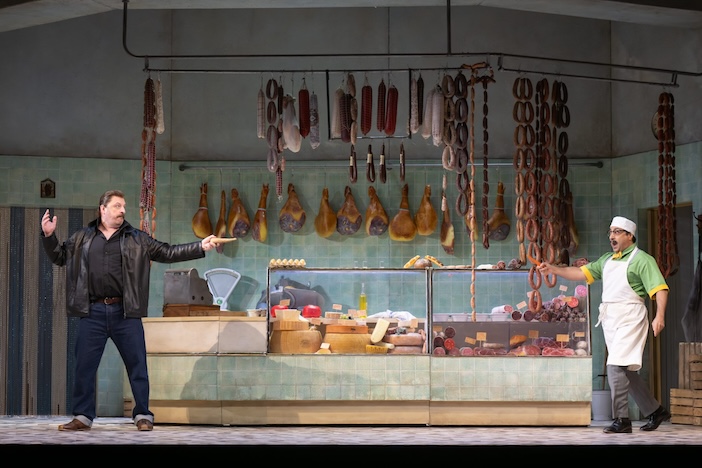
Peter Kálmán as Selim and Rodion Pogossov as Don Geronio in Rossini’s Il Turco in Italia (photo by ASH)
The Crowd-Pleaser: Die Entführung aus dem Serail
Mozart’s Die Entführung aus dem Serail — The Abduction from the Seraglio — was the young composer’s ambitious calling card for the Viennese musical establishment: two interlocking love stories, virtuosic arias of extravagant difficulty, and, beneath all the gleaming surface charm, a genuine engagement with questions of tolerance and moral virtue that feels anything but dusty. Running 31 July to 28 August, it closes out the season alongside Tosca, and its combination of irresistible melody and dazzling vocal fireworks makes it reliably one of the most purely enjoyable evenings in the operatic canon.
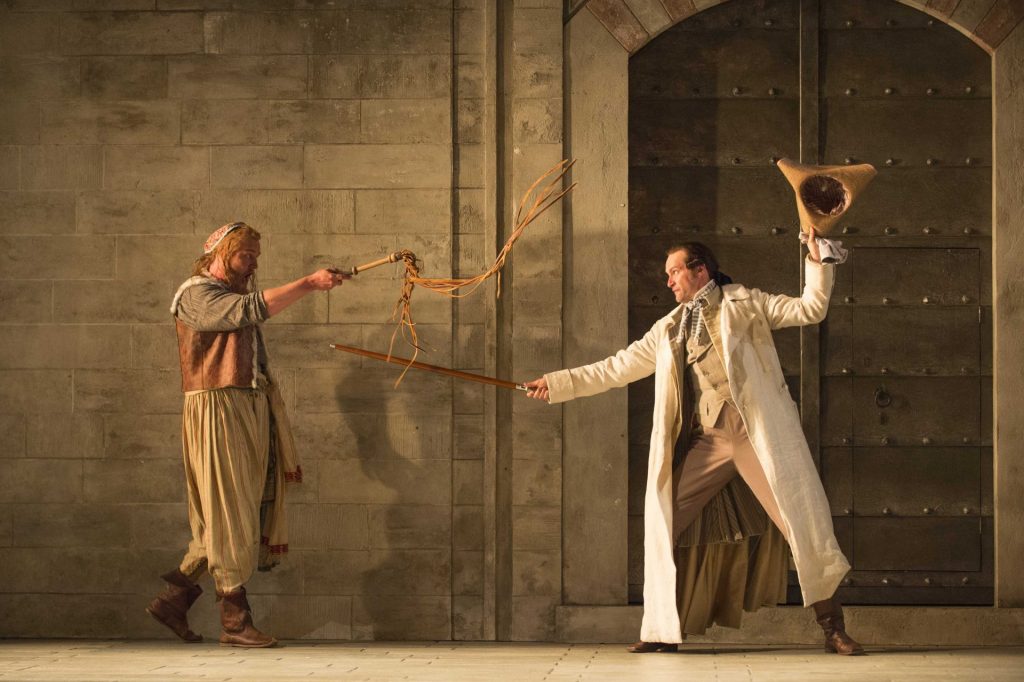
Die Entführung aus dem Serail (photo by Richard Hubert Smith)
The Experience
A note, for the uninitiated. Glyndebourne is not merely a concert hall. The grounds open two hours before each performance, giving ample time to wander twelve acres of gardens, explore the visual arts exhibitions, and stake your claim on a patch of lawn for the interval. That ninety-minute interval is, frankly, one of the great inventions in the history of cultural life — long enough for a proper meal, a bottle of something cool, and a lazy appreciation of the Sussex evening light.
You can bring your own picnic (they actively encourage it), book a hamper from the Glyndebourne dining service, or reserve a table in one of the three on-site restaurants. The dress code is black tie, though the interpretation is admirably broad: the point is that you have made an effort, and that effort is its own pleasure.
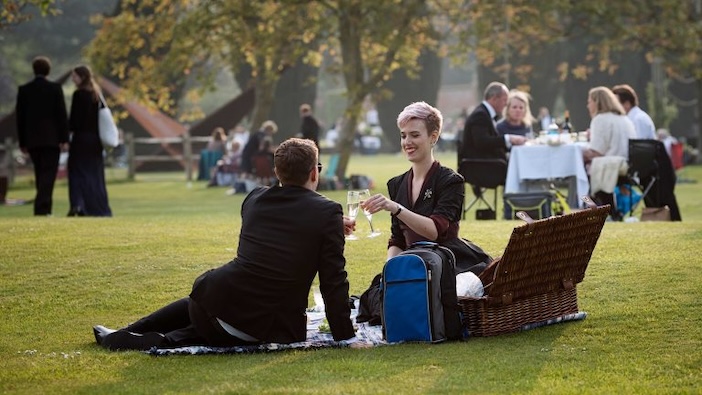
photo by James Bellorini
Getting there is easier than the setting might suggest: just an hour from London to Lewes by train, with a dedicated audience coach service to the house. The whole operation runs with the kind of smooth, unhurried confidence of an institution that has been doing this for nearly a century and has thought of most of the problems in advance.
Tickets are available now, with an Under 30s scheme offering £30 tickets for eligible performances — one of the better-kept secrets in London cultural life and a genuinely excellent way to arrive at opera without the price being the first thing you notice.
Glyndebourne Festival 2026 runs 21 May – 30 August. For more information, including the full programme, ticket information, and dining bookings, please visit glyndebourne.com.