When it comes to fine chocolate, we tend to look to Europe, but having introduced a new box of confections at home one evening, Larry thinks it might be time to reconsider…
Ask someone where the world’s finest chocolate comes from and they will, almost inevitably, say Belgium, or Switzerland. Reasonable answers, both. And yet, while the chocolatiers of Zurich and Brussels were still finding their feet, Damascus – yes, that Damascus – had been, rather magnificently, in the business of sweet things since 1805.
It should not, on reflection, come as a surprise. The Arab world’s relationship with sugar predates European chocolate by centuries; by the medieval period, Damascene confections were being traded across the continent, considered among the finest in the world. The city’s souks – fragrant with rose water, pistachio, apricot and orange blossom – were not merely markets but a rather persuasive argument that the Levant understood sweetness and flavour rather better than anywhere else. As the New York Times put it in 2005, to arrive in Damascus without a supply of its traditional sweets would constitute something close to a crime against hospitality.
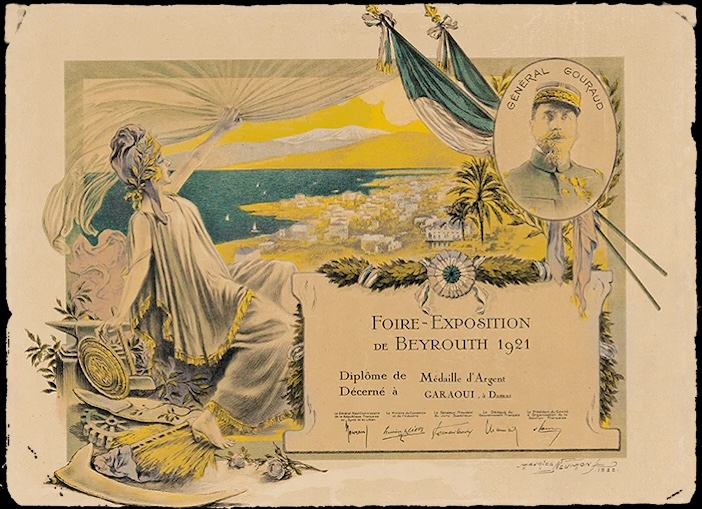
Which brings us to Ghraoui. Founded in 1805 by a prominent Damascus trading family, the confectioner began with preserved fruits before introducing chocolate to the Middle East in 1931, after the Ghraoui senior made a visit to a Paris trade fair and returned armed with ideas. The Damascene public were not immediately convinced, however. So, ever enterprising, he incentivised them with sterling silver scissors and golden letter-cutters tucked into each box. A sort of early ‘gift inside’ gimmick before cereal manufacturers started putting toys in their cornflakes packets.
It worked, and within a few short years, Ghraoui was purveyor to the Queen of England and stocked at Harrods. Decades of nationalisation, political upheaval and, tragically, the Syrian civil war followed, claiming the Damascus manufactory in 2012. But the family refused to let the name go down, relaunching in Budapest in 2017, with artisans who had crossed the Mediterranean to rebuild what had been lost. It’s a story of remarkable tenacity — and, as it happens, the chocolates carry that same spirit in every detail.
And so to the chocolates themselves…
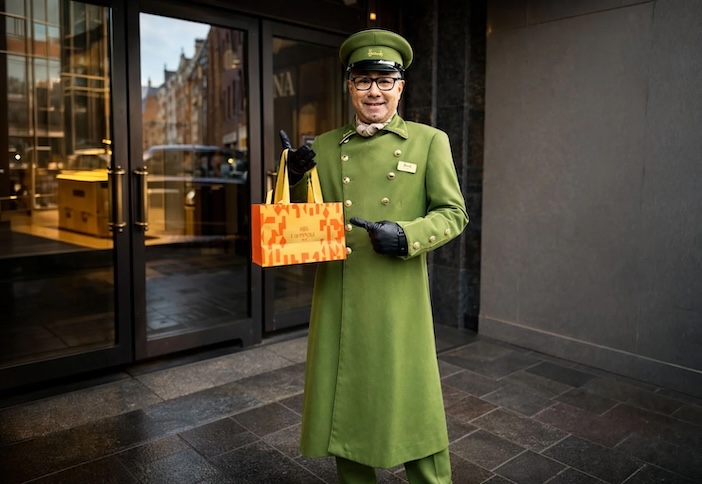
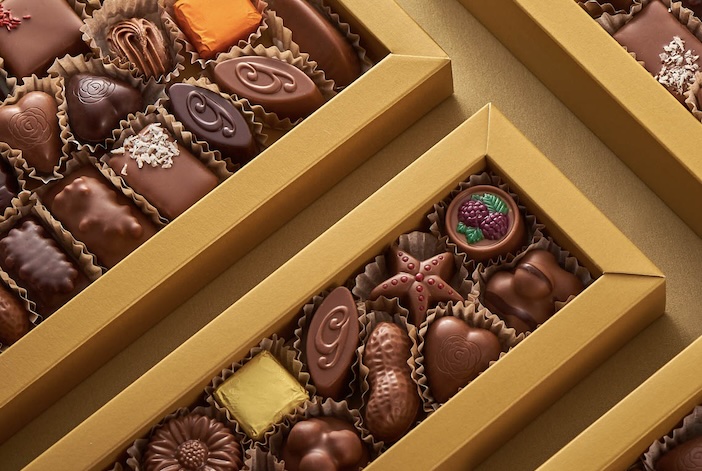
They arrive, first of all, as an occasion. A striking orange box, garlanded in gold ribbon, and stamped with ornate Arabic calligraphy, it’s the kind of thing you find yourself reluctant to open; the kind of thing you do open, eventually, because Mrs L is watching. Inside is a small cabinet of visual wonders. A white starfish. A pale clam shell. A peanut cacahuete. The latter we try first, smooth praline with roasted peanut chunks, properly textured – it’s a shame there’s only one. We’re cutting them in half, carefully, not wishing to miss out on each. We then elect one with a hand-painted strawberry embossed on top. It’s a ‘cheesecake’, layered with fruit jelly and crunchy base within. That was a surprise, not the fruity fondant expected.
As you might imagine, the chocolates, too, come with a story. The ‘Château d’Amour’, in dark or milk, with shards of feuilletine inside, is a tribute to the opera Don Sanche. Composed in 1824, it was the only piece entirely finished by the young Franz Liszt – and for thirty years, believed lost. The chocolate itself is inspired by a scene of a moonlit gothic castle; it sounds faintly overwrought, if I’m honest – but it tastes marvellous.
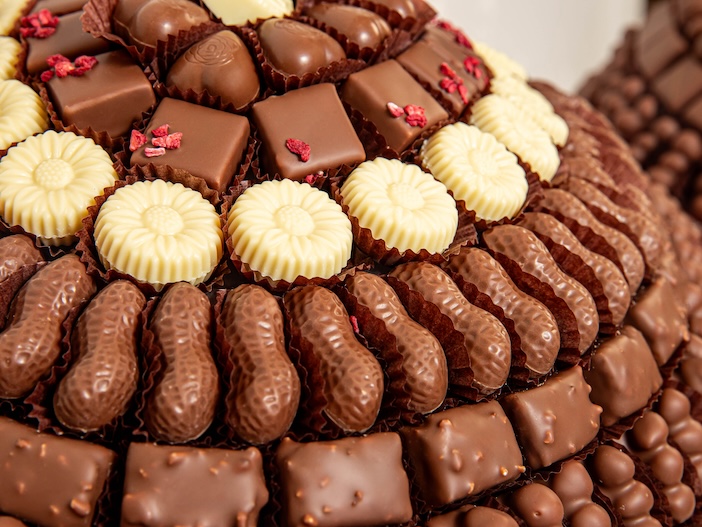
But the most affecting piece is the Autrefois Damas: a gold foil-wrapped chocolate that reveals a candied apricot filled with roasted pistachios, it’s nothing less than a talisman of Damascene tradition. “We are wholeheartedly presenting you our Damascus of yesterday,” the website tells me, with an understatement that could only belong to a family with two centuries of it. Mrs L plucked it from the box. “Mmm…” she said, before she’d even finished it, “that’s lovely, that one.” High praise, from that quarter.
Little surprise, then, that you will not find these confections beside the self-checkout at your local Tesco metro. Ghraoui is available at Harrods — as they have been for the better part of a century — and that is precisely where something this considered belongs. These are chocolates for giving, and for the right occasion. Imagine the look on someone’s face when they peel back the gold foil on an apricot from Damascus, filled with pistachios from Aleppo, wrapped in a story that predates Belgian chocolate by decades.
Switzerland has its charms. But some things were doing rather well before the Swiss arrived.
Ghraoui is available at Harrods and at www.ghraouichocolate.com.