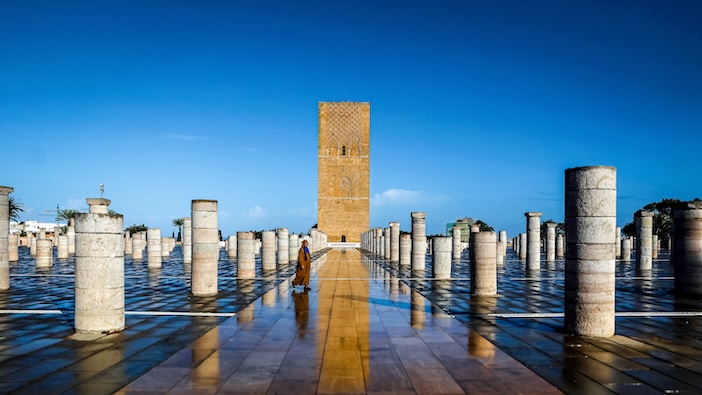
Nathalie Bonney looks beyond Morocco’s tourist heart, Marrakech, to its actual capital — Rabat — for a different pace of Moroccan life…
Visits to Marrakech make up almost half of all tourist stays in Morocco, which is no wonder given the UNESCO-protected Medina, le Jardin Majorelle and the allure of nearby excursions to the Sahara desert and the Atlas mountains. For many tourists, South Morocco is all they know of the country – and that’s a real shame.
The breeze from the Atlantic Ocean stirs the curtains in my hotel at the Conrad Rabat Arzana. It’s 8am and a pleasant 24 degrees Celsius. The sun has just risen as I take solo laps of the adult-only pool ahead of a full day of Rabat sightseeing.
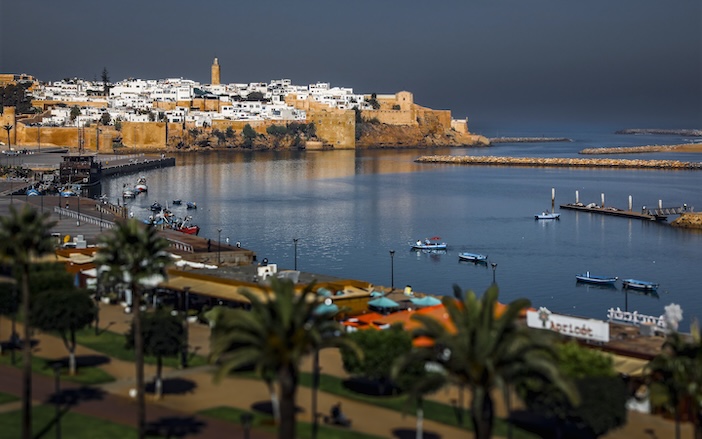
The capital city sits on the north-western Atlantic coast and (like so many Moroccan cities) is a city of two halves: modern capital city with air-conditioned shopping and food outlets that wouldn’t look out of place in Dubai and then souks and narrow walkways that speak of another time.
With the World Cup being co-hosted by Morocco in 2030, construction cranes are as much a part of the Rabat skyline as the (unfinished) 12th-century Hassan Tower. A lot of the development is based around the Bouregreg River, which runs between Rabat and Salé. On the Rabat side, the spongy green grass of the riverside parks, carefully tended by a hive of workers, is testament to the level of investment happening in this part of the city.
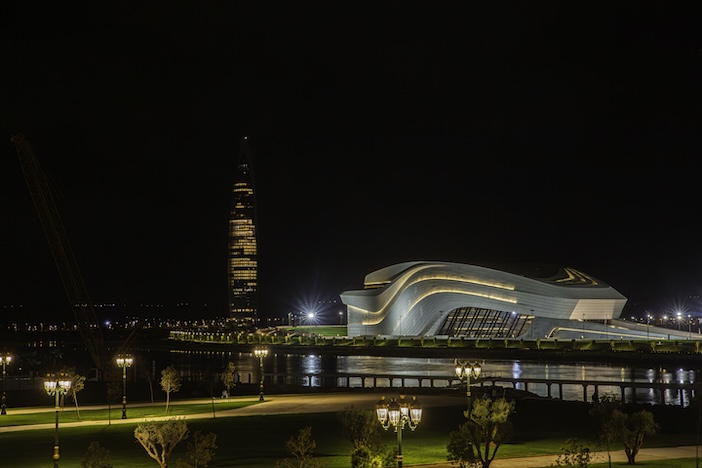
Latest additions to the Rabat cityscape include the Royal Theatre of Rabat, designed by Zaha Hadid before her death, the cobra-head building finally opened to the public in spring 2026, and newest of all, the Mohammed VI Tower. Designed by Spanish architect Rafael de La Hoz, at 250 metres high and 55 floors, it’s the tallest building in Morocco and the third tallest in Africa.
I spy the steel and glass shuttle-shaped tower from the walled ruins of the Chellah. Dating back to Roman times (with some debate among historians they could even go back to 3rd-century Phoenician times), the Chellah intermixes with the better-restored gardens from medieval times when the Marinid dynasty started burying its royals here. The crumbling towers are topped with oversize birds’ nests of the 350 storks who live here, their prehistoric eyes glaring at the camera-happy intruders to their home.
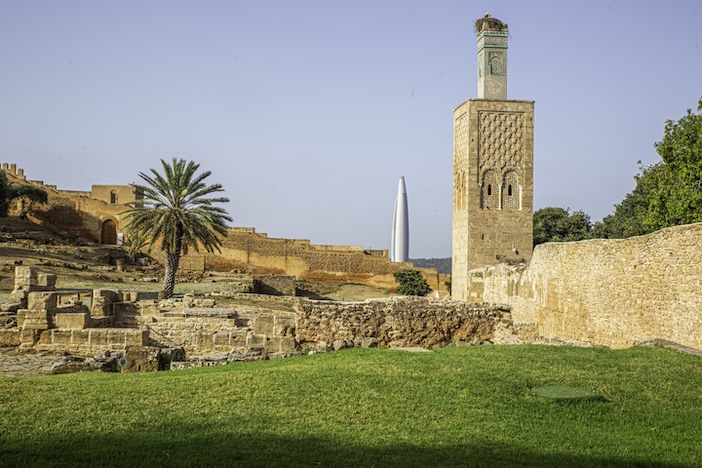
It’s the gardens and water features that please me most as I walk past bushes bursting with bright pink oleanders and hibiscus and under almond, jacaranda and orange trees. In Islamic times women came to the Chellah quarter to bathe in its spring, which was believed to aid fertility. Visitors today can still dip their hands in the water, hopeful of a blessing.
Temperatures now in the late 20s and 2km inland, I ask for the blessing of a breeze and/or a body of water I can swim in.

I am truly blessed as we now approach the Mohammed VI Tower, which is also home to a brand-new Waldorf Astoria Rabat-Salé hotel, spread across 20 floors of the 55-storey tower. Peacock Alley on the 30th floor offers views of Rabat, air conditioning and exquisite drinks. My saffron and orange juice mocktail, an amarena cherry glistening in the bottom, is the perfect thirst-quencher. The hotel also plans to launch a full afternoon tea menu, new this September, ideal for non-guests who still want to visit Rabat’s new skyscraper.
The blessings continue as we head to Bouregreg Marina, where the mouth of the river kisses the Atlantic Ocean. Sea breeze I love you. We eat a sea grill lunch at Le Dhow, a traditional wooden boat that has been renovated into a restaurant and bar. Jetskis bounce across the water while teenage boys (and a few girls) launch themselves off the marina walls into the waves below.
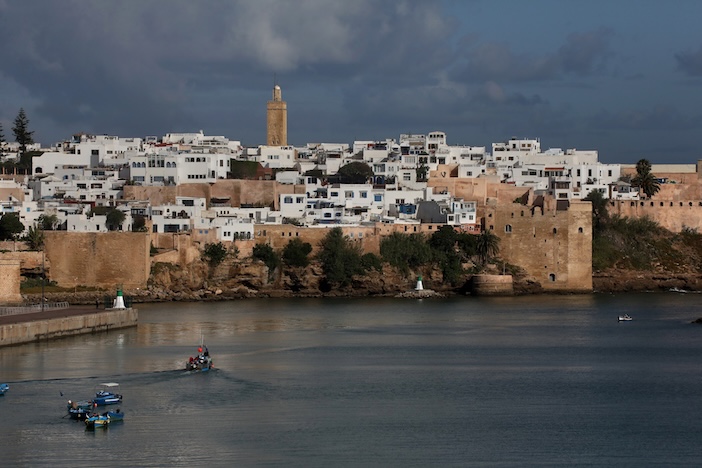
We stop at the Kasbah of the Udayas, Rabat’s Citadel, for yet more sea views of the city and walk the surrounding white-walled alleys, where smells of rosewater mingle with fried meat and baked bread and cats lounge under royal blue painted doorways and in the shade of terracotta plant pots.
Perhaps most surprising is that Rabat’s Medina, far from feeling crowded or hot, is shaded with wide walkways. The usual assortment of ceramics, straw and leather bags and football shirts intermixes with juice and bakery stands; I spy a line of Moroccans waiting to buy flatbreads stuffed with maakouda, fried yellow potato cakes, and wish I had stomach space.

The vendors in the old market and Rue des Consuls don’t seem in a hurry to barter with tourists, letting visitors and locals alike browse without interruption. A weekend in a Moroccan city where you leave rested – now fancy that.
Direct flights to Rabat operate with Ryanair from Stansted and British Airways from Gatwick. For more information about Rabat, including details of suggested tours, visit the official tourism website at www.visitmorocco.com.